CASE STUDY / 02Building a Search-Led
EJEMPLODE
Building a Search-Led
Educational Content Platform
I built a content and product system around recurring
Spanish-language learner and practical-information needs:
search demand, topic architecture, editorial operations,
interactive formats and long-term organic discovery.
Verified historical scale
Archived Google AdSense platform totals from the historical growth period shown.
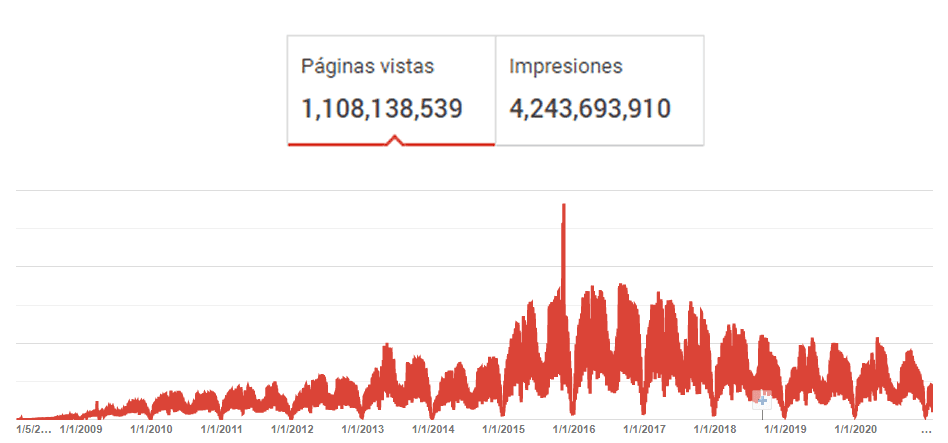
Figures reflect archived platform totals and do not represent current traffic or revenue.
Recurring questions created durable demand
Ejemplode focused on Spanish-language questions people needed to solve, understand or turn into action: educational concepts, writing formats, workplace documents, administrative templates and practical examples.
The objective was not simply to publish more pages.
It was to create useful answers that matched a clear need, then make related information easy to discover.
READER-NEED FLOW
- Reader question→
- Search intent→
- Useful format→
- Clear answer→
- Related discovery
Turning search demand into a structured content system
I identified search patterns, organised thematic categories, defined scalable URL structures and created repeatable page formats that could grow without losing coherence.
The architecture was designed to help readers and search engines understand where each answer belonged, what it solved and what related content to explore next.
REPRESENTATIVE SEARCH & CONTENT ARCHITECTURE
- Search pattern→
- Topic cluster→
- URL structure→
- Content template→
- Related pages
A proprietary CMS built for structured publishing
I built a proprietary CMS with separate drafting and approval stages, allowing content to move through editorial review, correction and publishing with greater consistency.
As the catalogue expanded, I recruited and coordinated up to six writers. I defined content guidelines covering structure, headings, sequencing, examples, supporting imagery and the information each page needed to answer first.
REPRESENTATIVE EDITORIAL OPERATING SYSTEM
- 01
Search demand mapping
Identify recurring queries and topic opportunities.
- 02
Topic architecture
Organise categories, URL structures and related content paths.
- 03
Writer briefs
Define answer order, headings, examples and supporting materials.
- 04
Editorial review
Review quality, return corrections and approve content.
- 05
Publish & monetise
Publish through the CMS and manage AdSense monetisation.
Up to 6 writers coordinated through a proprietary CMS.
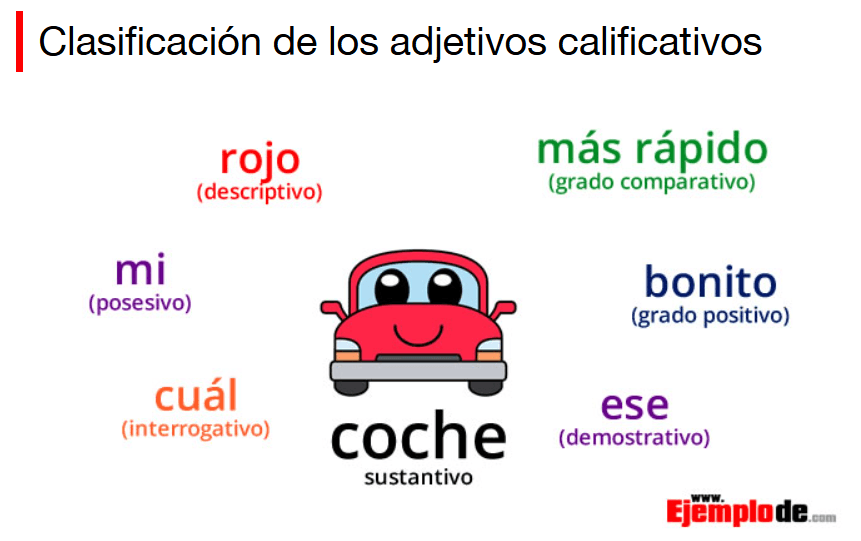
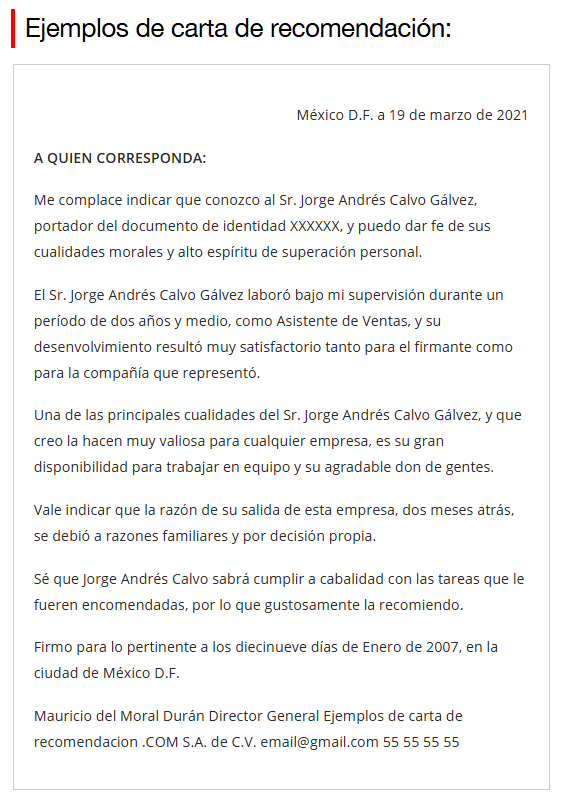
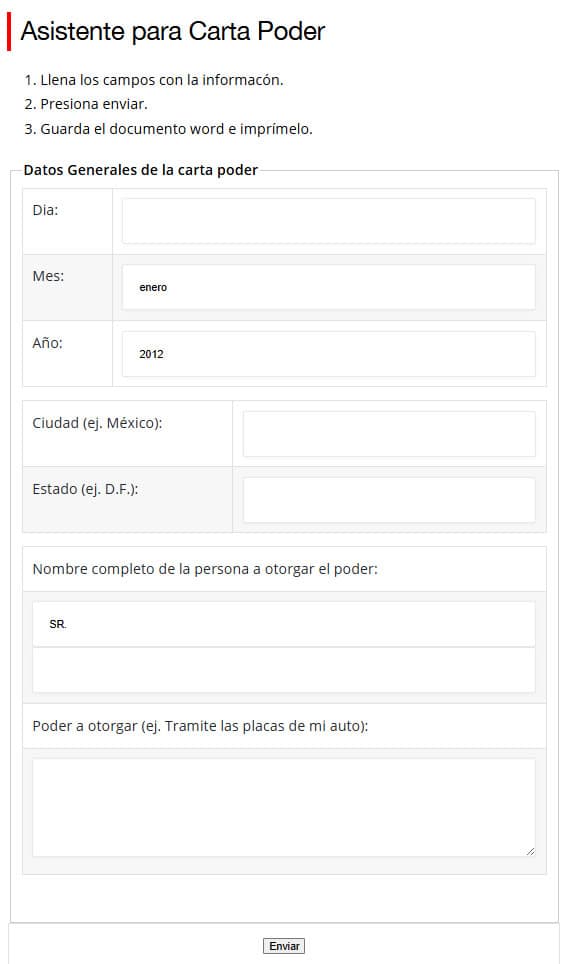
Moving from information to practical outputs
The platform expanded beyond informational articles.
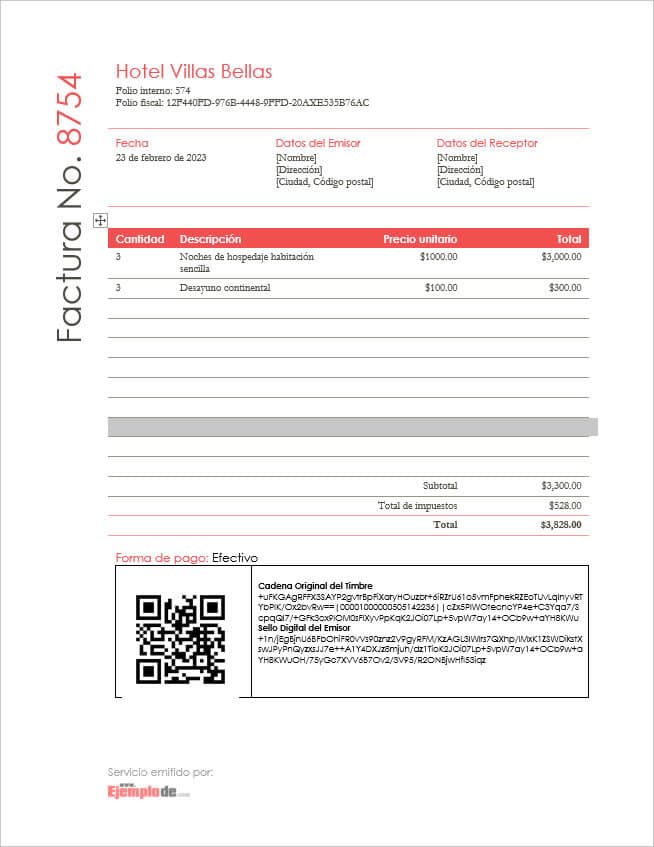
Different search needs required different formats: structured explanations, reusable templates, downloadable documents and form-based tools that produced practical outputs.
My role
Founder & Organic Growth Strategist
I owned the platform end to end, from organic demand discovery to the systems required to publish, maintain and monetise useful content at scale.
- 01Search and keyword research
- 02Technical SEO and URL architecture
- 03Information architecture and content templates
- 04Proprietary CMS product design
- 05Editorial workflow and quality control
- 06Writer management
- 07Interactive utility formats
- 08Publishing and Google AdSense monetisation
A historical content system, viewed through today’s search landscape
This case documents a historical content operating model built and led between 2007 and 2023.
It reflects a period of platform scale and long-term organic discovery, not a claim about current traffic, operations or performance.
The search environment, competitive landscape and quality expectations have changed substantially since the original growth period.
The case reflects a historical operating model and scale achievement, not a claim that the original content approach is a complete blueprint for modern SEO.
Meaningful modernisation would require large-scale content, product and editorial work across a catalogue of thousands of articles.
The operating model later informed a portfolio of approximately 30 content sites across educational and practical-information categories.